Logtown Font: The Perfect Typeface for Your Handmade Brand
There’s a moment I always look forward to when a new product idea comes together. It’s not when I first sketch it out, or even when I finish making it. It’s when I sit down to design the label, the tag, or the packaging. That’s when a handmade item truly becomes a product, something with a name and a story. Recently, while designing a set of rustic, cedar-scented candle labels, I found a font that captured that story perfectly: Logtown.
The Personality of a Hand-Drawn Font
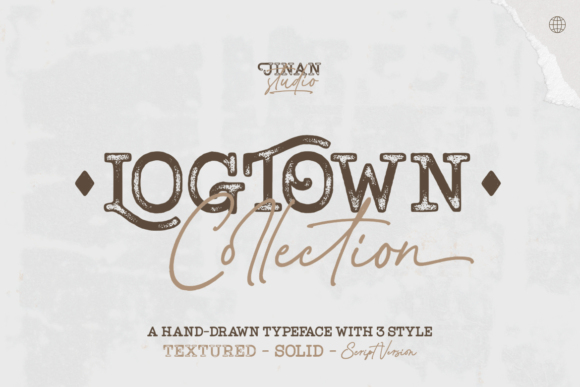
Opening the Logtown font file, you instantly feel its character. It’s a script font, but not overly delicate or formal. Instead, it carries a wonderful blend of vintage charm and a rugged, adventurous edge. Each letter looks thoughtfully drawn, with subtle variations in stroke weight and a slightly uneven baseline that gives it authentic, human warmth. It doesn’t scream “perfect”; it whispers “crafted.” This personality makes it an incredible tool for makers. It brings a sense of history and handmade quality to your work before a customer even touches the physical product.
The mood it creates is nostalgic yet robust—ideal for brands that want to feel established, trustworthy, and a little bit wild. Whether your aesthetic is farmhouse, cabin-core, adventurous travel, or simply grounded and natural, Logtown provides the typographic voice to match.
Bringing Products to Life with Typography
Font choice is one of the most critical, yet often overlooked, parts of product presentation. The right typeface affects perceived quality, brand consistency, and emotional appeal. When I used Logtown for those candle labels, the change was immediate. The simple “Cedar & Smoke” title, set in this font, no longer looked like a generic description. It felt like the name of a specific, small-batch creation from a woodsy workshop. That emotional connection is what turns a browser into a buyer.
Real-World Uses for Makers and Sellers
From physical goods to digital downloads, Logtown has become a go-to asset in my design toolkit. Here’s how it shines across different projects:
- Product Labels & Tags: For jar labels, apothecary stickers, and boutique hang tags. Its rugged elegance makes products feel artisanal.
- Greeting Cards & Stationery: Birthday cards, thank-you notes, and congratulations messages gain a personal, handwritten touch.
- Wedding & Event Materials: Welcome signs, invitation titles, and seating chart headers for rustic, outdoor, or adventurous-themed events.
- Printable Wall Art & Planner Pages: Digital downloads for quotes, monthly calendar titles, and journal headers with a vintage, motivational feel.
- Packaging & Branding: Stamped on tote bags, heat-transferred onto t-shirts, or etched onto mugs for cohesive shop branding.
- Seasonal Designs: Autumn harvest market signage, winter holiday gift tags, or spring garden party invitations.
Readability and Practical Application Advice
As a display font, Logtown is best used for shorter phrases, names, titles, and decorative wording. It’s perfect for your product name on a label, a featured quote on wall art, or a single word on a wedding welcome board. For longer text blocks, like product descriptions on a card or instructions on a download, I always pair it with a clean, simple sans-serif font. This combination keeps the design readable and balanced, letting Logtown shine as the star.
When preparing designs for physical production, a few practical tips are essential. For cutting machines like Cricut or Silhouette, ensure your text is converted to a path or saved as an SVG at a sufficient size so the intricate details of the script cut cleanly. For small stickers or tags, test print a sample at your intended size to confirm the letterforms are clear and legible. On printed cards and mockup previews, Logtown generally performs beautifully, but avoid using it at extremely tiny sizes where its charming details might become muddy.
Exploring the Font’s Features for Commercial Use
Before using any font for products you plan to sell, it’s crucial to explore its included features and license. With Logtown, check for alternates, ligatures, or swashes that might give you more design flexibility for a unique logo or special word. Verify the file formats included to ensure compatibility with your design software (like .OTF or .TTF for desktop, and potentially web font formats for your online shop graphics).
Most importantly, confirm the licensing. As a maker selling physical products, templates, printables, or merchandise, you need a commercial license. This allows you to use the font on items you sell without legal concern. Always read the license provided with the font to understand any specific terms—it’s a fundamental step for any serious creative business.
A Cohesive Creative Tool
What I appreciate most about integrating Logtown into my work is the consistency it offers. Whether I’m designing a new candle label, updating my shop’s social media graphics, or creating a batch of printable holiday cards, this font provides a recognizable thread. That consistency builds customer recognition. They start to associate that specific, hand-drawn style with your brand, creating a subtle but powerful identity.
Typography in the handmade world isn’t just about making words visible. It’s about making them felt. Logtown, with its vintage charm and rugged edge, does exactly that. It turns your product name into a story, your label into a welcome, and your brand into an experience. It’s more than a font file; it’s a creative partner for bringing your crafted vision to life, on everything from the smallest sticker to the most prominent shop sign.