The Fireflies Font in Modern Web Design
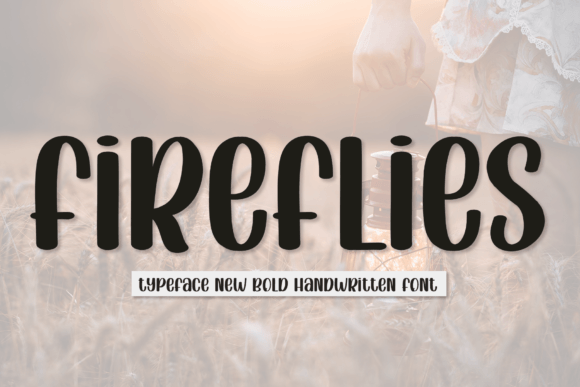
I was in the middle of a homepage redesign for a small pottery studio’s online shop, and something was missing. The product photography was gorgeous, the layout felt clean, but the typography felt a bit too rigid. The brand’s story was all about handmade, tactile artistry, and the current typeface just wasn’t conveying that warmth. That’s when I decided to test Fireflies, a cool and casual handwritten font, in the hero section.
A First Impression in Digital Layouts
Fireflies immediately stood out as a script font with a very specific personality. It’s friendly and approachable, with a slightly uneven baseline and natural letter connections that feel genuinely handwritten, not overly polished or artificial. This wasn’t a formal calligraphy script; it was more like a creative note jotted down with personality. For the pottery site, I replaced the standard sans-serif headline with Fireflies. The word “Handcrafted” suddenly felt like it was actually crafted. The mood shifted from simply informative to inviting and personal.
Finding Its Place in Website Hierarchy
In digital design, a font like Fireflies is a display font. It’s meant to capture attention and set a tone, not to handle long blocks of text. My first usability check was readability. At a large size for the main hero title, it was perfectly clear and engaging. But I also tested it in smaller instances—like a subtle accent on a navigation label or a short tagline under a product image. At those smaller sizes, especially on mobile, its details remained legible because its character shapes are open and distinct. This confirmed its role: perfect for key headers, hero sections, landing page titles, and call-to-action phrases where you want a human touch.
Realistic Applications for Online Brands
Beyond that pottery site, I’ve considered Fireflies for several other realistic web projects:
- Coaching or Wellness Websites: Using it for the main headline “Find Your Balance” on a serene landing page creates an immediate sense of personal connection.
- Creative Portfolios: A designer or photographer could use it for their name on the homepage, making the portfolio feel uniquely authored.
- Course Sales Pages: For a creative course title like “Beginner Sketching,” Fireflies adds an encouraging, hands-on vibe right at the top.
- Blog Redesigns: Employing it for featured post titles or series headers can make an editorial site feel more curated and less generic.
- Digital Brand Kits: As part of a suite of assets for a small business, it provides a ready-made option for social media graphics, email header images, and promotional banners.
In each case, it acts as a brand accent. It shouldn’t be the only font on the site. Its strength is in contrast.
The Critical Role of Font Pairing
This is where web design gets practical. A decorative script font like Fireflies needs a strong, simple partner for body copy and UI elements. On the pottery site, I paired it with a clean, neutral sans-serif font for all the product descriptions, paragraphs, and button text. This pairing creates a clear visual hierarchy: the handwritten font draws you in with personality, and the sans-serif font ensures comfortable reading and clear functionality. For a more editorial digital identity, one might pair it with a classic serif font for longer articles. The key is to let Fireflies shine where it matters most without compromising overall usability.
Readability Considerations for Responsive Design
Working with any display font means being mindful of context. Here are a few quick, real layout checks I performed:
- Mobile Screens: On smaller viewports, I ensure headline sizes are generous enough so the handwritten details don’t become fuzzy.
- Dark & Light Backgrounds: Fireflies holds up well on both, but on very busy image backgrounds, I add a subtle background overlay or shadow to maintain contrast.
- Button Text: I use it sparingly here—only for very short, primary CTA phrases like “Get the Guide” on a clean button, and always with ample padding.
- Loading Performance: As a webfont, its file size is typically manageable, but it’s part of a responsible design process to ensure fonts load efficiently alongside other assets.
Building a Polished Brand Experience
Typography is a silent ambassador for brand trust and professionalism. Introducing a font like Fireflies isn’t just a stylistic swap; it’s a consistency decision. When a visitor sees the same friendly, handwritten style on the website hero, in a promotional email, and on an Instagram graphic, it reinforces a cohesive and intentional brand identity. This consistency improves user engagement because the experience feels thoughtfully designed, not haphazard. For the pottery studio, extending Fireflies into their digital ads and email signatures completed a loop, making their online presence feel as curated as their physical products.
Technical and Licensing Checks for Creators
Before committing any font to a live website or client project, a few practical steps are essential. For Fireflies, I verified its included styles and weights to ensure it had the flexibility needed. I checked its webfont availability and file formats for smooth implementation across platforms. Understanding its multilingual support is crucial if the project targets a global audience. Most importantly, I confirmed its commercial font licensing terms for use on websites, online stores, landing pages, and within digital templates. This due diligence protects both the designer and the client, ensuring the beautiful font is used correctly and legally.
Where Fireflies Truly Shines
After testing it across these scenarios, I find Fireflies is ideal for hero titles, section headings, short impactful phrases, and logo text for brands seeking a casual, creative vibe. It works as a decorative accent for pull quotes or value statements. It’s less suited for supporting typography like long body copy, form labels, or dense footer information. Its potential is in making key moments feel more human. In a digital landscape that can sometimes feel cold and transactional, a font with this much personality can be the element that turns a simple layout into a memorable experience. For web designers, digital product creators, and online brand owners looking to inject warmth and authenticity into their projects, Fireflies has the potential to become that favorite go-to asset in your typography toolkit.